-

She’s Still Writing for Me
The idea of striving for perfection—and, perhaps, being satisfied with nothing less—has been on my mind lately. I finally feel like I understand the role perfectionism has played in my life: a big one, but like most ideas, it’s not straightforward. My perfectionism does not look like my sister’s, which does not look like…
-
We All Have a Journey
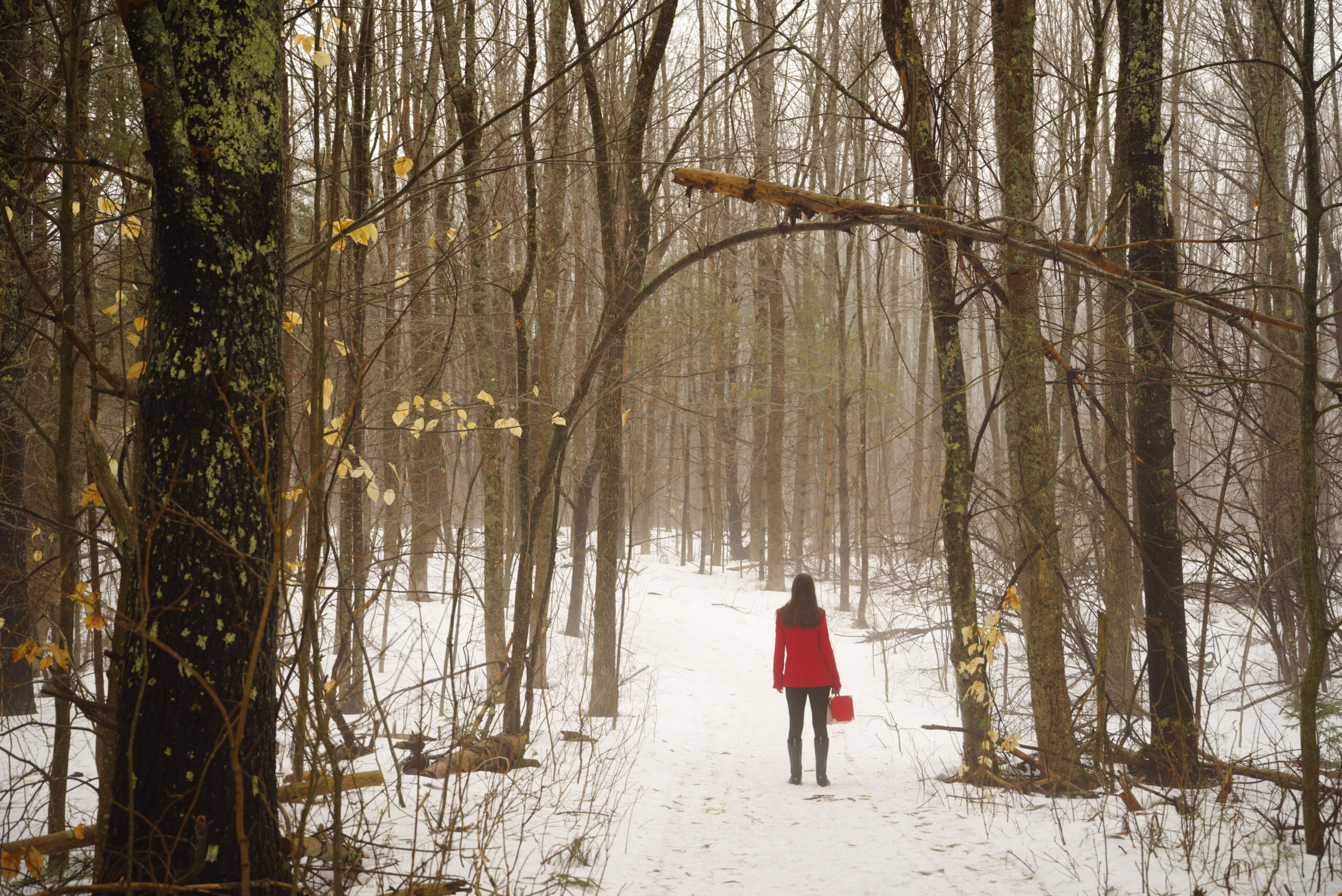
The take by Joseph Campbell that Murdock recounts on page 2 is interesting: In the the whole mythological tradition the woman is there. All she has to do is to realize that she’s the place that people are trying to get to. When a woman realizes what her wonderful character is, she’s not going…
-

It Takes Two, Together
Now I turn to Maureen Murdock’s own words at the beginning of the introduction to The Heroine’s Journey. She tells us that she is a therapist who has worked with women, particularly those between the ages of thirty and sixty, and says, “I have heard a resounding cry of dissatisfaction with the successes won in…
-
Re-member Who You Are
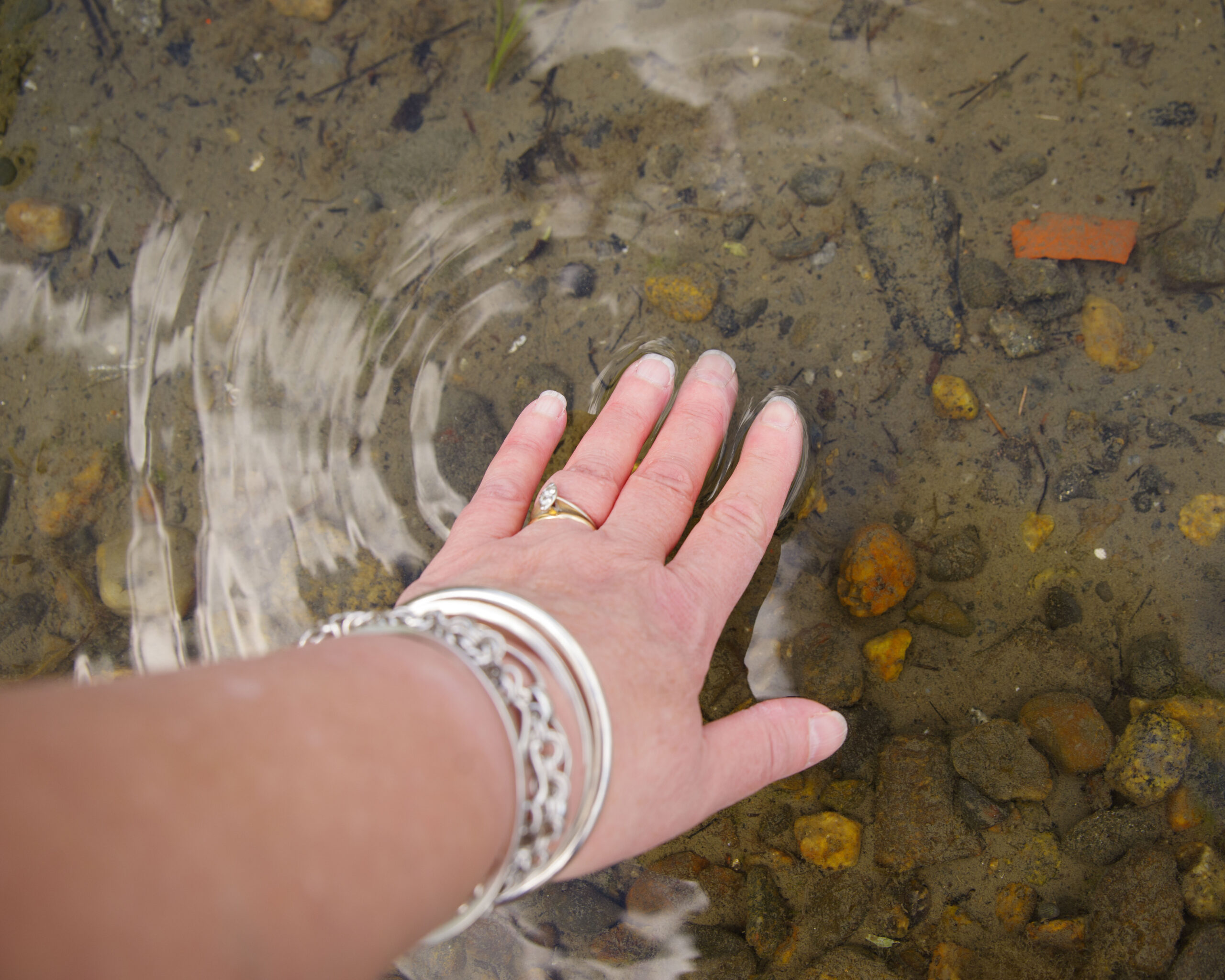
Back to that epigraph: “So the female void” gets cured “by a remembering or a putting back together of the mother-daughter body.” Yes. It’s the body. Healing involves the body as much as—if not more than—the mind. And it’s important to remember Eugene Gendlin’s statement: “The body is the unconscious.” Maybe memory is held…
-

What Ails Thee?
The epigraph with which Maureen Murdock has begun The Heroine’s Journey deserves a closer look, and what I post here and now may not be all I have to say about it. We’ll see. In the meantime: “There is a void felt these days by women and men—who suspect that their feminine nature, like Persephone, has…