
The take by Joseph Campbell that Murdock recounts on page 2 is interesting:
In the the whole mythological tradition the woman is there. All she has to do is to realize that she’s the place that people are trying to get to. When a woman realizes what her wonderful character is, she’s not going to get messed up with the notion of being pseudo-male.
I absolutely understand Murdock’s dissatisfaction with such an answer. It’s black and white: men do this; women do that. Instead, how about looking beyond male and female to feminine and masculine; looking inward instead of outward? We are, after all, looking at how these traditions and ideas affect individuals.
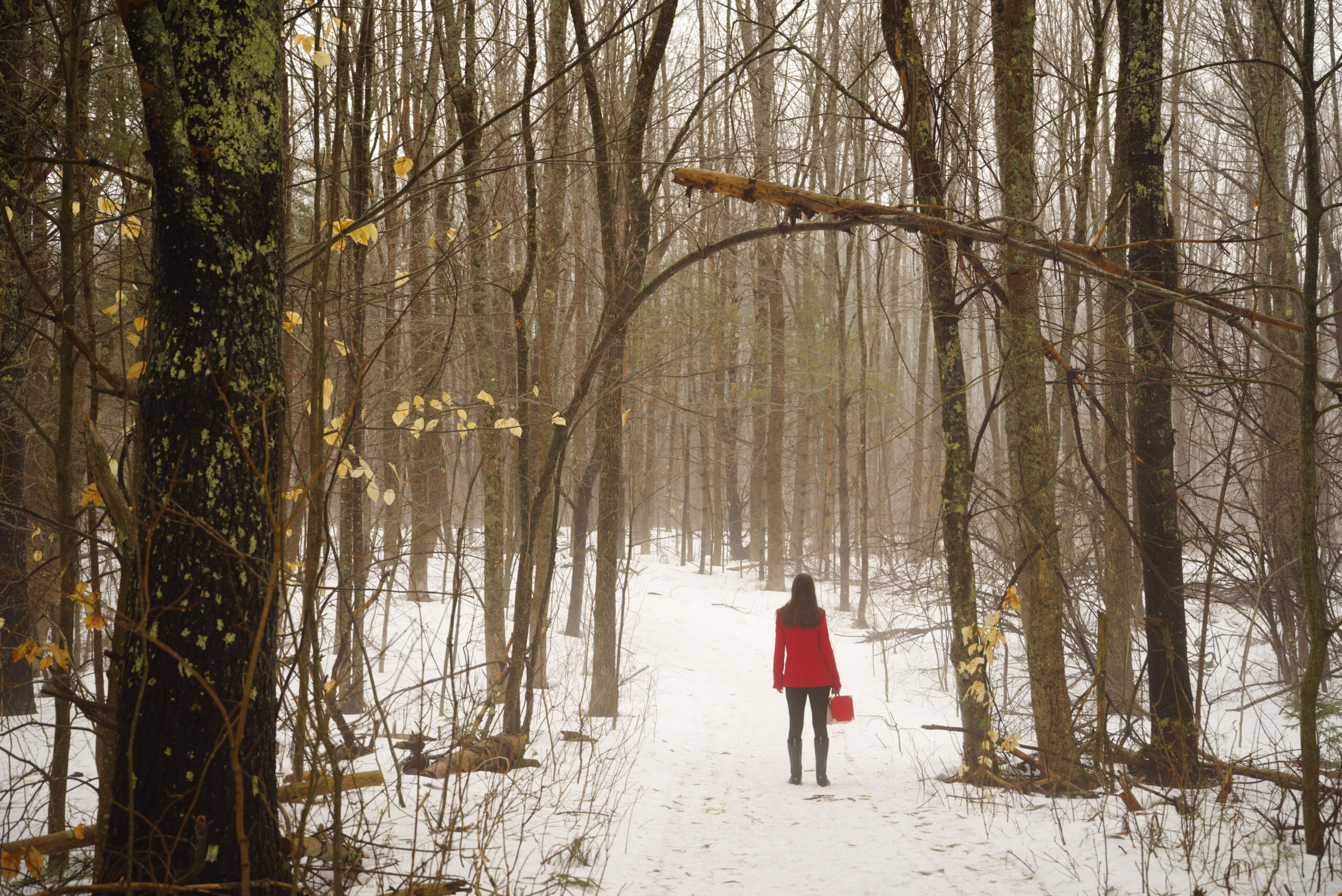
Women do have a quest at this time in our culture. It is the quest to fully embrace their feminine nature, learning how to value themselves as women and to heal the deep wound of the feminine. It is a very important inner journey toward being a fully integrated, balanced, and whole human being. Like most journeys, the path of the heroine is not easy; it has no well-defined guideposts nor recognizable tour guides. There is no map, no navigational chart, no chronological age when the journey begins. It follows no straight lines. It is a journey that seldom receives validation from the outside world; in fact, the outer world often sabotages and interferes with it.
Yet it is the outside world that most of us—most of the time—look to for validation: Am I doing it right? Do I get the praise, the gold star, the prize? Does my mother approve? Is my father proud of me? Did I disappoint the priest? What do the neighbors think? Oh, and: Do I look okay? Am I driving the right car? Is my house in the right neighborhood? Are my kids going to the best schools?
What happens when you strip all of that away? What and who are you left with? One person: yourself; and inside yourself? Only God. If you were literally the last person on earth, who would you be? Isn’t that what each of us needs to figure out?